Designing workplaces where neurodivergent talent can thrive
Neurodiversity is not rare, but neuroinclusive workplaces still are.
Across industries, organisations are losing highly capable people not because they lack skills, but because work environments are designed around a narrow definition of how people should think, communicate, and perform. For neurodivergent individuals — including autistic people, people with ADHD, dyslexia, or dyspraxia — this often translates into unnecessary friction, chronic stress, and underutilised potential.
While autism awareness has significantly increased in recent years, awareness alone is not enough. It must be translated into how workplaces are actually designed.
What does a neuroinclusive workplace actually look like?
It’s not about large, expensive interventions. It’s about removing invisible barriers in everyday work.
Below are 4 high-impact areas HR teams can focus on:
Make expectations crystal clear
Many workplaces rely on implicit communication such as unwritten rules, vague instructions, and “you’ll figure it out” expectations. For neurodivergent employees, this creates constant cognitive load.
What helps:
Clear, written instructions and priorities
Defined deadlines instead of relative terms (“ASAP”)
Documented processes and decision-making
Meeting summaries with next steps
Reduce sensory overload
Open offices, constant noise, bright lighting, and interruptions are often treated as neutral. For many neurodivergent people, they are a daily source of overload.
What helps:
Quiet zones or low-stimulation spaces
Option to use noise-cancelling headphones
Adjustable lighting where possible
Remote or hybrid work flexibility
Flexible ways of working
Standardised work patterns (fixed hours, rigid workflows) assume everyone operates at the same pace and rhythm. Not everyone works best 9–5 or in the same rhythm.
What helps:
Flexible working hours
Task-based rather than time-based performance evaluation
Autonomy in how tasks are approached or sequenced
Breaking large tasks into structured steps
Fair and accessible hiring processes
Traditional recruitment often rewards social confidence, speed, and verbal fluency — not necessarily job-relevant skills. This disproportionately filters out neurodivergent candidates.
What helps:
Sharing interview questions in advance
Offering alternative formats (written responses, practical tasks)
Using structured, skills-based assessments
Clearly defining what success looks like in the role
Neurodivergent employees don’t need to be “fixed” to fit existing systems. What they need is a workplace where those strengths can actually be used. Design such a workplace and you don’t just create inclusion. You create a better organisation.
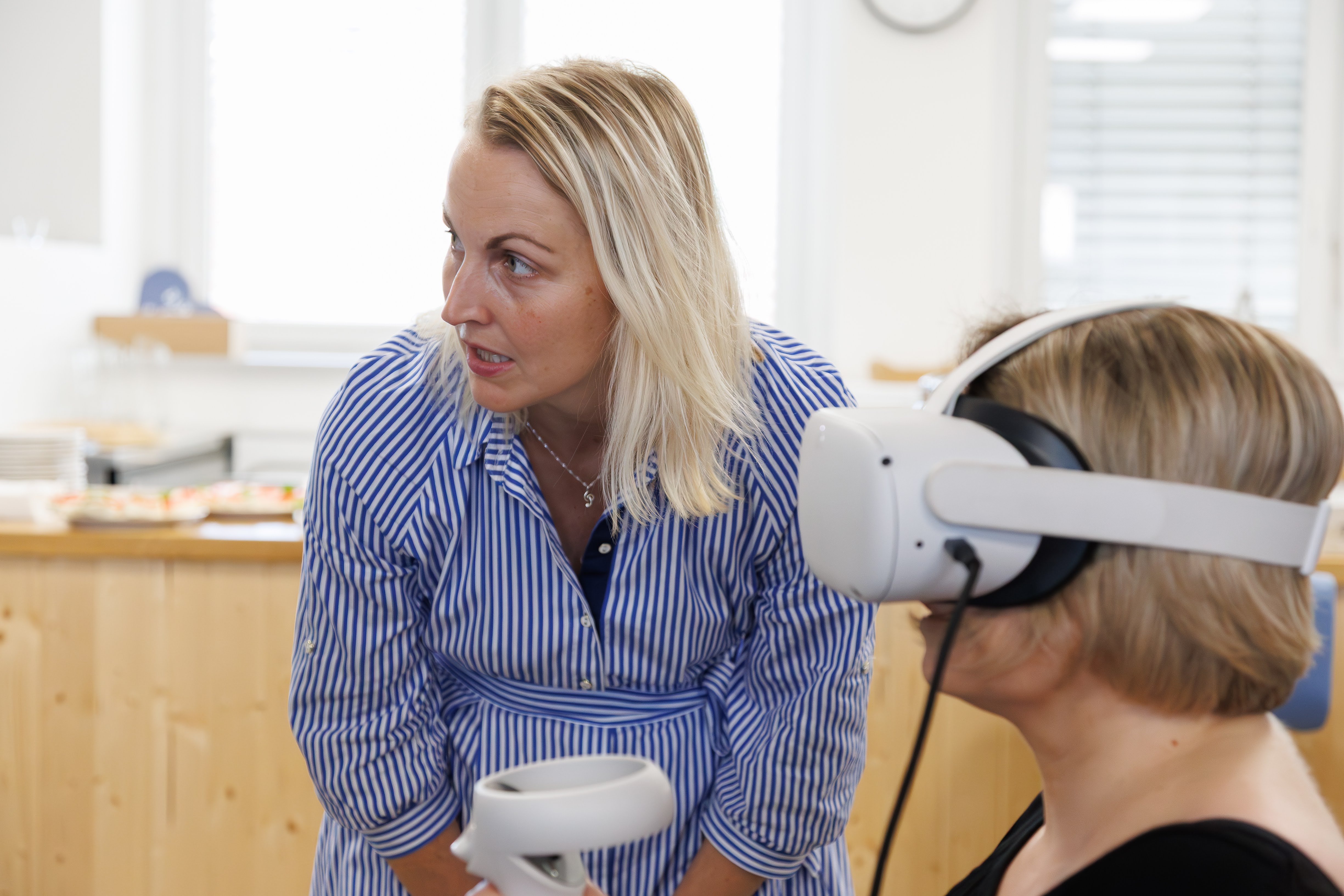
This is where solutions like our autism simulator can support real change, helping managers experience different cognitive perspectives and translate that understanding into more inclusive decisions at work.