Neurodiversity at Work: The Hidden Challenge Many HR Teams Overlook
Even with clear policies, training programs, and performance processes in place, many HR teams still see the same issues repeat: miscommunication, uneven workload, disengagement, or unexpected burnout.
When this happens, the root cause is not always individual performance. In many cases, the challenge lies in how work is structured, communicated, and experienced across teams. Increasingly, understanding neurodiversity in the workplace is becoming a critical capability for modern leaders.
The difficulty is that neurodivergence often remains invisible—even in organizations that are already investing in autism awareness and general diversity initiatives.
Neurodiversity is More Common Than You Realize
Across the global workforce, neurodivergence is far more frequent than most organizations assume. Research suggests that roughly 15–20% of people are neurodivergent, including individuals with autism, ADHD, dyslexia, and other cognitive differences.
In practice, this means almost every medium-sized team likely includes neurodivergent employees, whether they are formally diagnosed or not. However, many employees choose not to disclose their neurotype due to stigma. As a result, HR teams often struggle to provide effective autism support because they are navigating the impact without realizing the cause.
Moving from basic autism awareness toward true autism inclusion requires a deeper look at how our environments and processes affect different minds.
When the Issue Isn’t Performance
When neurodivergent needs are not recognized, workplace challenges often appear indirectly. HR professionals frequently report situations that look like performance issues but are actually environmental or communication mismatches:
Recurring misunderstandings in verbal instructions.
Employees struggling to maintain focus in open-office environments.
Sudden burnout in otherwise high-performing staff.
Frustration between managers and employees regarding "unwritten" social rules.
Without a strategic approach to autism inclusion, organizations risk addressing the symptoms (performance reviews) instead of the cause (workplace design).
From Awareness to Experiential Understanding
While many companies offer standard presentations on neurodiversity, traditional training often fails to change daily behavior. Real change happens when empathy is combined with experience.
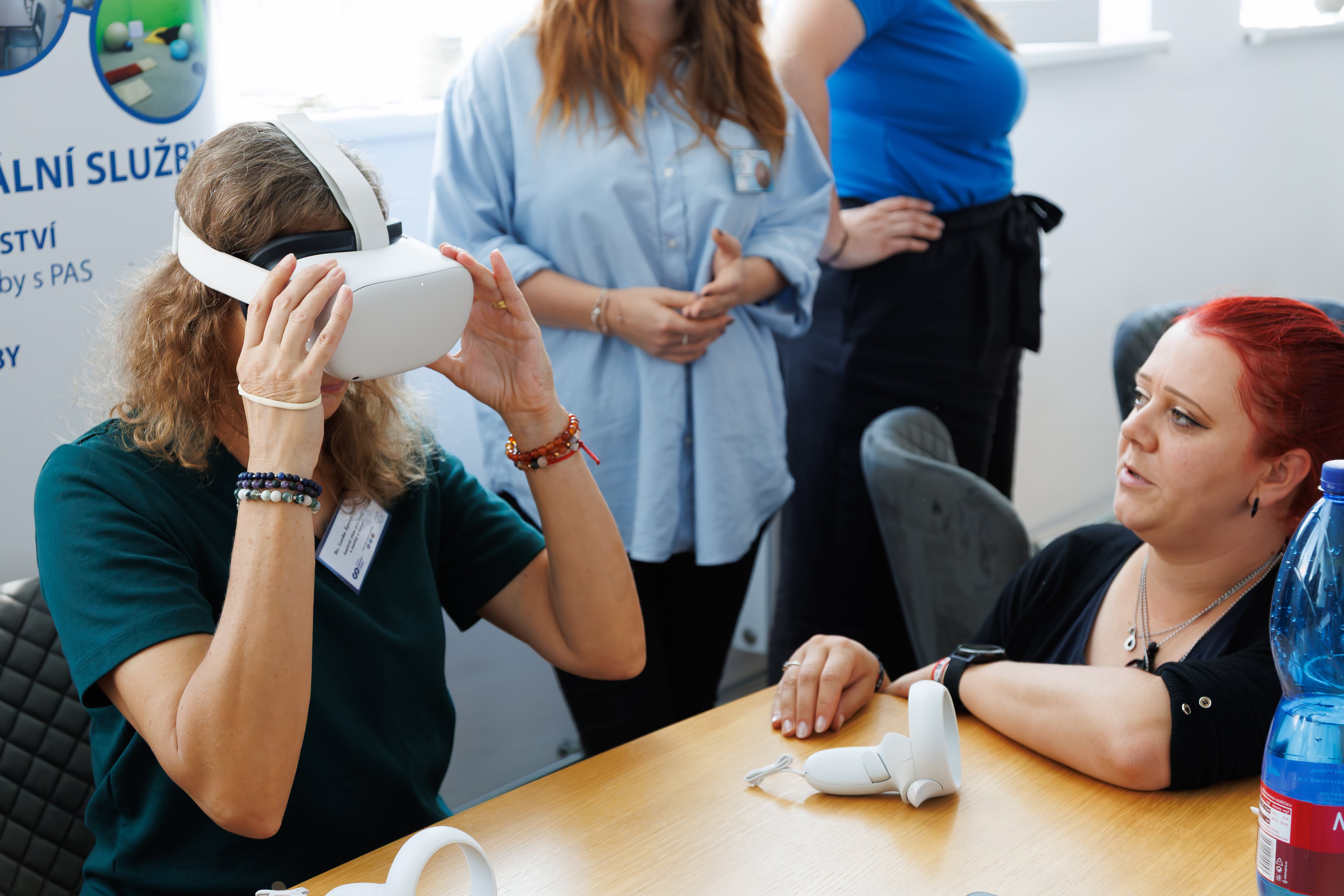
This is where immersive technology steps in. At Autismity, we believe that seeing the world through someone else's eyes is the fastest way to bridge the gap in understanding. Our Autism Simulator allows HR managers and team leads to experience the sensory reality of an autistic colleague—from the overwhelming hum of an office to the cognitive load of rapid task-shifting.
By experiencing these challenges firsthand, leaders can move beyond "knowing" about neurodiversity to intuitively understanding how to provide better autism support.
Why This Matters for Your Talent Strategy
When organizations develop a better understanding of neurodiversity, small adjustments can have a massive impact. Clearer communication, more predictable workflows, and thoughtful sensory design can:
Reduce preventable workplace conflict.
Improve collaboration across diverse teams.
Lower burnout risk and improve employee well-being.
Increase retention of highly skilled, detail-oriented talent.
For HR leaders, this is no longer just a DEI checkbox. It is a fundamental workplace effectiveness and talent strategy issue.

© 2025 All Rights Reserved.
www.autismity.com